
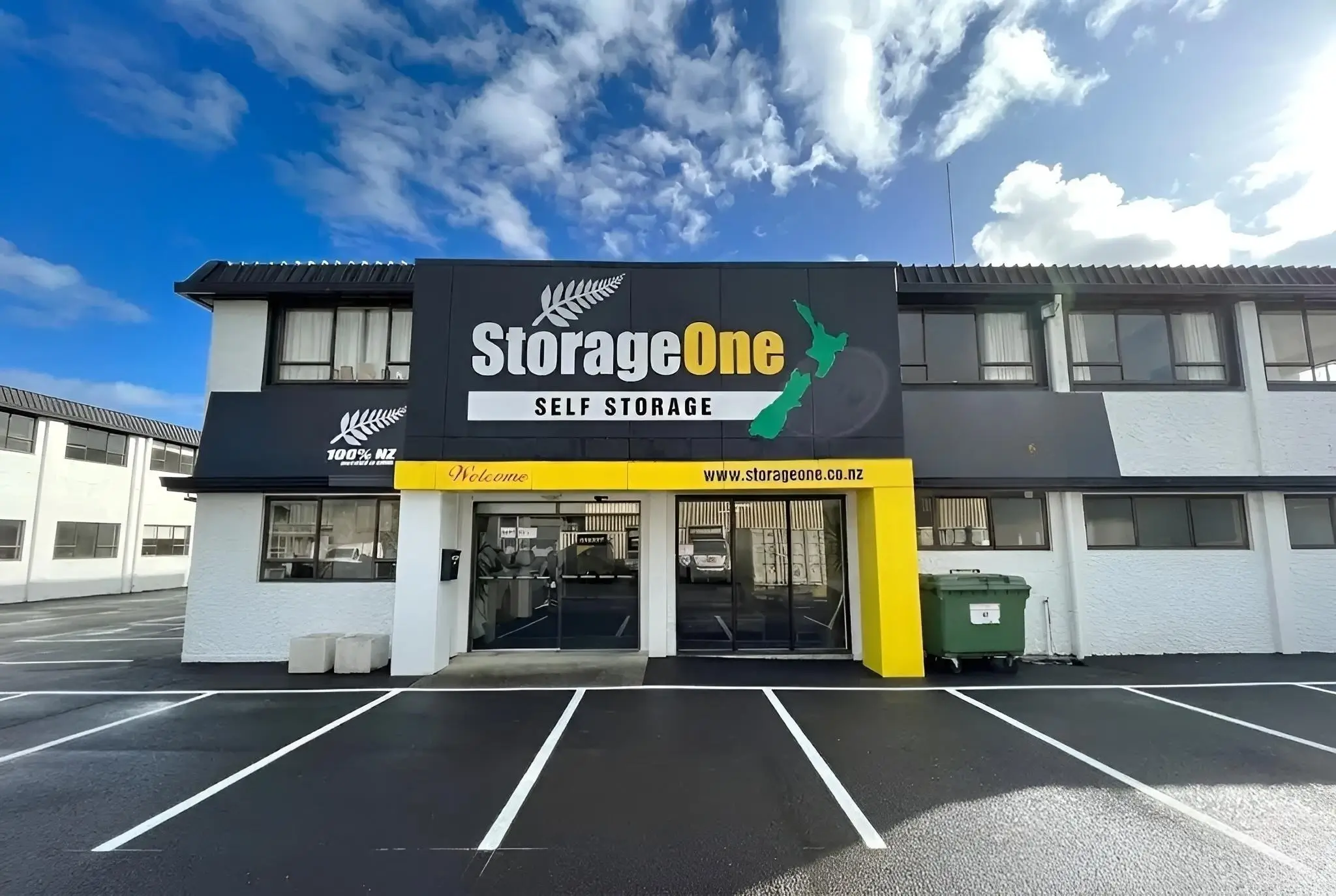
The capital’s geography and housing density make Wellington self storage services particularly relevant for residents and businesses. Limited residential space in central suburbs forces many households to choose between disposing of possessions or finding secure external storage. Heritage building conversions and modern apartment developments often lack adequate storage amenities, creating ongoing demand for professional facilities.
Property prices throughout the region encourage downsizing and strategic space management. Families transitioning from larger homes to smaller premises face difficult decisions about cherished belongings accumulated over decades. Temporary storage provides breathing room for thoughtful sorting without the pressure of immediate disposal. Items can be tested in new spaces before committing to permanent removal.
Storage One operates six facilities strategically positioned across the Greater Wellington Region. Their network spans from the central city through the Hutt Valley to the Kapiti Coast. This geographical coverage ensures residents can access professional storage regardless of suburb or district. Each facility maintains consistent service standards while addressing local community needs.
The company established operations in 2006, building a reputation around customer service and facility quality. Their business model centres on removing stress from life transitions rather than simply renting space. Staff approach customers as solution providers, guiding unit selection based on actual requirements rather than maximising rental values. Reviews consistently highlight exceptional service alongside clean, secure facilities.
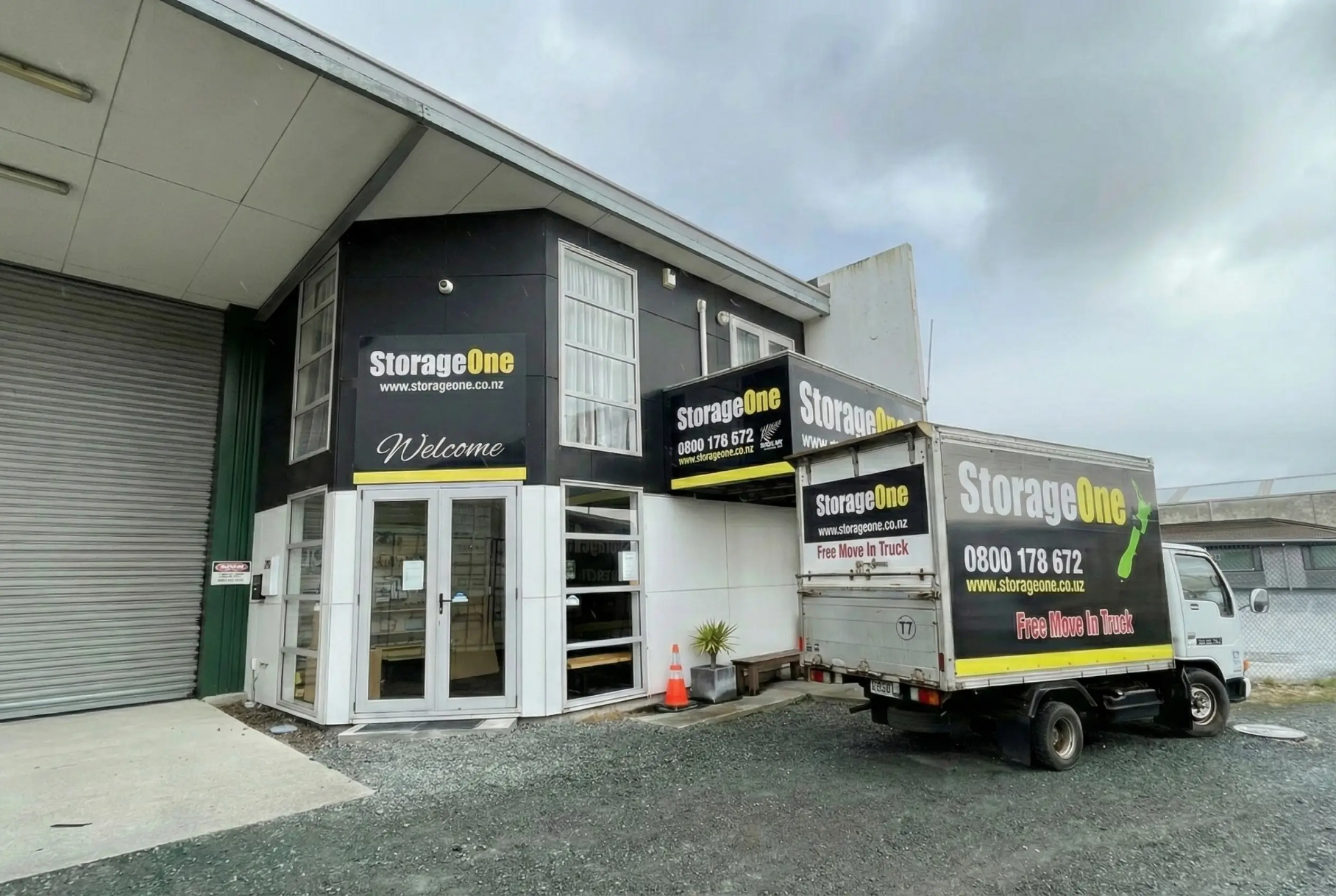
Their signature offering includes a complimentary move-in truck for customers committing to three months or longer. This eliminates separate transport hiring costs and coordination headaches. Some branches provide driver assistance, while others offer self-drive options. On-site loading equipment including trolleys and dollies simplifies the physical transfer of heavy items and bulky furniture.
Unit sizes range from small lockers suitable for document boxes through to spaces accommodating contents from three to four-bedroom homes. Climate-controlled options protect temperature-sensitive items including electronics, documents, photographs, artwork, and antiques. These controlled environments prevent moisture damage, mould growth, and warping that compromise items stored in standard garages or sheds.
Flexible month-to-month rental agreements avoid long-term contract commitments. First-month charges are prorated based on actual usage, and the company maintains a strict no-admin-fee policy. Transparent pricing ensures customers understand total costs without discovering hidden charges later. The same rates apply to new and existing customers, reflecting an ethical approach to business relationships.
Wellington’s CBD and inner suburbs including Thorndon, Wadestown, Ngaio, Khandallah, and Karori access facilities positioned for convenient urban access. Central locations reduce travel time for apartment dwellers and professionals managing busy schedules. Proximity to motorway connections allows efficient weekend moves without lengthy drives during valuable free time.
Lower Hutt coverage extends through Petone, Alicetown, Gracefield, Wainuiomata, and Eastbourne. The Gracefield facility caters particularly well to industrial and commercial clients requiring larger units for equipment and inventory. Loading bays accommodate commercial vehicles, and wide units handle equipment dimensions that residential-focused facilities struggle with.
Upper Hutt facilities at Trentham and Maidstone serve the northern valley and expanding residential developments. State-of-the-art security systems including monitored surveillance and individual unit alarms address asset protection requirements. Climate-controlled units at these locations prove popular with families storing valuable collections, electronics, and sensitive documents.
Kapiti Coast communities including Paraparaumu, Waikanae, Raumati, and Paekakariki benefit from two facilities positioned for highway accessibility. Coastal residents often store boats, caravans, motorhomes, and seasonal recreational equipment alongside household belongings. Electric fencing at Kapiti locations provides enhanced perimeter security addressing the somewhat isolated nature of coastal facilities.
Settlement date misalignment creates one of the most common storage scenarios. Families leaving one property before accessing the next require secure accommodation for household contents. These gaps can extend from days to months depending on settlement conditions, buyer requirements, or construction delays on new properties. Professional storage bridges these transitions without forcing families into rushed disposal decisions or expensive temporary accommodation with limited space.
Staging moves over multiple weekends reduces the physical and logistical burden on families. Rather than completing entire relocations in single exhausting days, households can transfer belongings gradually. Non-essential items move to storage first, allowing families to continue living comfortably while sorting remaining possessions. This phased approach particularly benefits families with young children or elderly members who find intensive moving days overwhelming.
Comprehensive planning guidance helps families prepare for relocations systematically. The Moving house checklist from Consumer NZ provides detailed preparation steps covering everything from utility transfers to packing strategies. Professional Wellington self storage facilities complement these preparation strategies by offering secure environments where packed belongings remain protected throughout relocation processes.
Downsizing scenarios require particularly thoughtful approaches. Empty nesters transitioning from family homes to smaller properties face emotional decisions about possessions carrying decades of memories. Storage allows gradual sorting without the pressure of immediate disposal. Items can remain accessible while families adjust to new living arrangements and determine what genuinely enhances their reduced spaces.
Home improvements create chaos that threatens furniture and belongings. Paint fumes, construction dust, and heavy foot traffic from tradespeople put household items at risk. Attempting to work around furniture slows contractors and increases labour costs. Moving items off-site creates clean working spaces while protecting investments from accidental damage.
Climate-controlled units shield valuable items from temperature fluctuations and humidity common during construction. Plastering, painting, and flooring work introduce significant moisture into properties. Removing upholstered furniture, electronics, and wooden pieces prevents absorption of excess humidity that causes warping, mould, and deterioration. Items return in pristine condition once construction completes.
Renovation timelines frequently extend beyond initial estimates. Flexible rental terms allow families to adjust storage duration without penalty or complex contract renegotiations. Access remains available around the clock, enabling retrieval of specific items during renovation processes. Some families stage furniture returns, bringing pieces back gradually as rooms reach completion.
Practical packing guidance helps protect belongings during storage periods. Resources like packing tips from Genesis Energy offer consumer-focused advice for proper packing techniques that prevent damage. Combining professional packing knowledge with secure storage facilities ensures possessions emerge from storage in the same condition they entered.
Wellington’s commercial property market drives business storage demand. CBD office space commands premium rates that make every square metre financially significant. When floor area fills with archive boxes, seasonal inventory, or unused equipment, companies effectively pay expensive rent for storage rather than productive workspace. Off-site storage reclaims these areas for revenue-generating activities.
Professional services firms accumulate substantial client files over years of operation. Regulatory requirements mandate retention periods extending seven years or longer for certain document types. Housing these archives in premium office premises represents poor resource allocation. Secure document storage maintains compliance while freeing office environments for client-facing activities and billable work.
Retail operations managing seasonal merchandise benefit from scalable storage capacity. Holiday inventory, summer stock, and promotional materials require accommodation during off-peak periods. Maintaining this inventory on retail premises reduces display space and creates cluttered environments. Off-site storage keeps retail floors optimised for current product offerings and customer flow.
Trade contractors storing tools, equipment, and materials face persistent security concerns. Theft statistics for commercial vehicles and tools remain problematic across New Zealand urban centres. Secure facilities with surveillance systems, gated access, and individual unit alarms protect business-critical assets. Climate-controlled options safeguard sensitive instruments and electronic equipment from environmental damage.
Modern storage facilities operate with multiple security layers addressing both casual theft and organised criminal activity. Continuous CCTV surveillance monitors all premises, recording movement across properties. PIN-controlled gate access restricts entry to authorised users exclusively. Individual unit alarms provide additional protection for contents with high personal or commercial value.
Electric fencing at selected locations creates physical barriers supplementing electronic security measures. Well-lit premises and secure perimeter fencing deter opportunistic theft attempts. These combined measures address the reality that household and business contents often represent irreplaceable items with substantial financial and emotional value.
Regulatory frameworks establish safety standards for storing certain materials. Standard self-storage facilities prohibit flammable liquids, explosives, hazardous chemicals, and toxic substances. The WorkSafe storage guidance for hazardous substances provides detailed regulatory requirements that customers must understand before storing any materials. Violations create fire risks and liability issues affecting all facility users.
Insurance coverage receives recommendation from facility operators, though customers arrange protection independently. This approach allows individuals and businesses to tailor coverage levels to specific contents and risk tolerance. Facility security systems often qualify for reduced insurance premiums by demonstrating professional asset protection measures. Comprehensive policies protect against theft, fire, water damage, and other potential losses.
Proper packing significantly impacts how well items survive storage periods. Appliances require specific treatment before storage. Refrigerators and freezers must be completely defrosted and dried, then stored with doors slightly ajar. Deodorising agents prevent musty smells developing in sealed compartments. Failure to follow this process results in mould growth and permanent odours.
Lawnmowers and petrol machinery must have all fuel and oil drained before storage. Flammable liquids create fire hazards and violate facility safety policies. Most facilities explicitly prohibit hazardous substances, and regulatory frameworks provide detailed guidance on proper hazardous material handling. Customers should review these restrictions before packing to avoid complications during facility check-in.
Mirrors and glass items should always be stored vertically on edges rather than laid flat. This weight distribution prevents cracking from pressure points. Books and documents pack better lying flat to protect spines, though smaller file boxes work better than large cartons given paper’s weight. Furniture drawers can house small fragile items, utilising empty space while providing cushioned protection.
Labelling cartons on multiple sides with room-by-room inventories speeds unpacking considerably. Colour coding by room or priority level helps identify essential boxes quickly. Leaving narrow walkways inside storage units maintains air circulation and prevents moisture build-up. Stacking items directly against walls can trap condensation and promote mould under certain conditions.
Twenty-four-hour access via PIN codes allows customers to retrieve belongings according to personal schedules rather than facility operating hours. This flexibility proves valuable for shift workers, business owners managing weekend operations, or families coordinating around work and childcare commitments. Loading bays designed for vehicle access simplify transfer of heavy or bulky items without manual carrying over distances.
Toilet facilities and well-lit premises contribute to comfortable visits when packing or unpacking stored items. Customers can take necessary time organising contents without rushing due to inadequate facilities or approaching closing times. On-site trolleys and moving equipment remain available, eliminating needs to source these separately or carry heavy items manually.
Staff hours typically run from morning through early evening on weekdays, with weekend availability at most locations. While unit access remains continuous, staffed periods allow customers to request assistance, purchase additional packing supplies, or arrange unit size changes. This combination of independent access with available support addresses diverse customer preferences and requirements.
Online rental systems and credit card payment options streamline administrative processes. Contactless sign-up became available during recent years, allowing customers to secure units without in-person visits. Auto-payment arrangements prevent missed payments and associated late fees. These digital conveniences reduce administrative friction while maintaining the security and verification necessary for facility access control.
Customer-provided locks secure individual units, with high-quality padlocks receiving strong recommendation. Facility operators can advise on appropriate lock types and security ratings. Some customers choose combination locks to avoid key management, while others prefer keyed locks for perceived additional security. The choice remains with customers based on personal preference and intended access patterns.
Reviews featured across business ratings consistently praise facility cleanliness, security measures, and customer service quality. Long-term customers report goods emerging in excellent condition after extended storage periods, with no dampness, vermin, or mould damage. These testimonials reflect the operational standards maintained across the Wellington self storage network and the value customers place on reliable, secure facilities during stressful life transitions.
self-storage, Wellington storage, secure facilities, household storage, business storage, climate control, moving house, furniture storage, document storage, vehicle storage, Hutt Valley, Kapiti Coast, Upper Hutt, commercial storage, personal storage, archive storage, downsizing, renovation storage, student storage, temporary storage