
Across New Zealand’s diverse terrain, outdoor enthusiasts are rethinking what belongs in their packs. The shift towards lighter equipment isn’t just about cutting grams. It’s about extending range, reducing fatigue, and opening access to remote areas that once felt just beyond reach. From weekend trampers to serious hunters, more Kiwis are discovering that New Zealand ultralight gear transforms how they experience the backcountry.
Traditional tramping setups often tip the scales at 20 kilograms or more. That weight compounds over distance, turning enjoyable day-long walks into gruelling slogs. Every kilogram carried demands energy, strains joints, and limits how far you can safely push before nightfall. Modern ultralight alternatives shift that equation entirely. Base weights under 7 kilograms are now achievable without sacrificing safety or comfort. The difference becomes obvious after just a few hours on the trail.
Weight reduction extends beyond mere convenience. Lighter packs mean better balance on technical terrain, faster recovery times, and reduced injury risk. For hunters stalking deer through steep bush or trampers crossing exposed ridges, these factors can be critical. The ability to move quietly and quickly becomes easier when your pack isn’t grinding into your shoulders. Energy reserves last longer. Decision-making stays sharper. These advantages matter when conditions deteriorate or unexpected challenges arise.
Regional terrain demands equipment that performs under pressure. New Zealand’s backcountry throws everything at you: sudden weather changes, high UV exposure, demanding elevation gains, and unpredictable river crossings. New Zealand ultralight gear must withstand these conditions whilst maintaining minimal weight. That’s where material science and intelligent design intersect. Sil-nylon and Dyneema fabrics offer remarkable strength-to-weight ratios. Quilts replace traditional sleeping bags. Frameless packs work beautifully when base weight drops low enough. Each component serves multiple purposes.
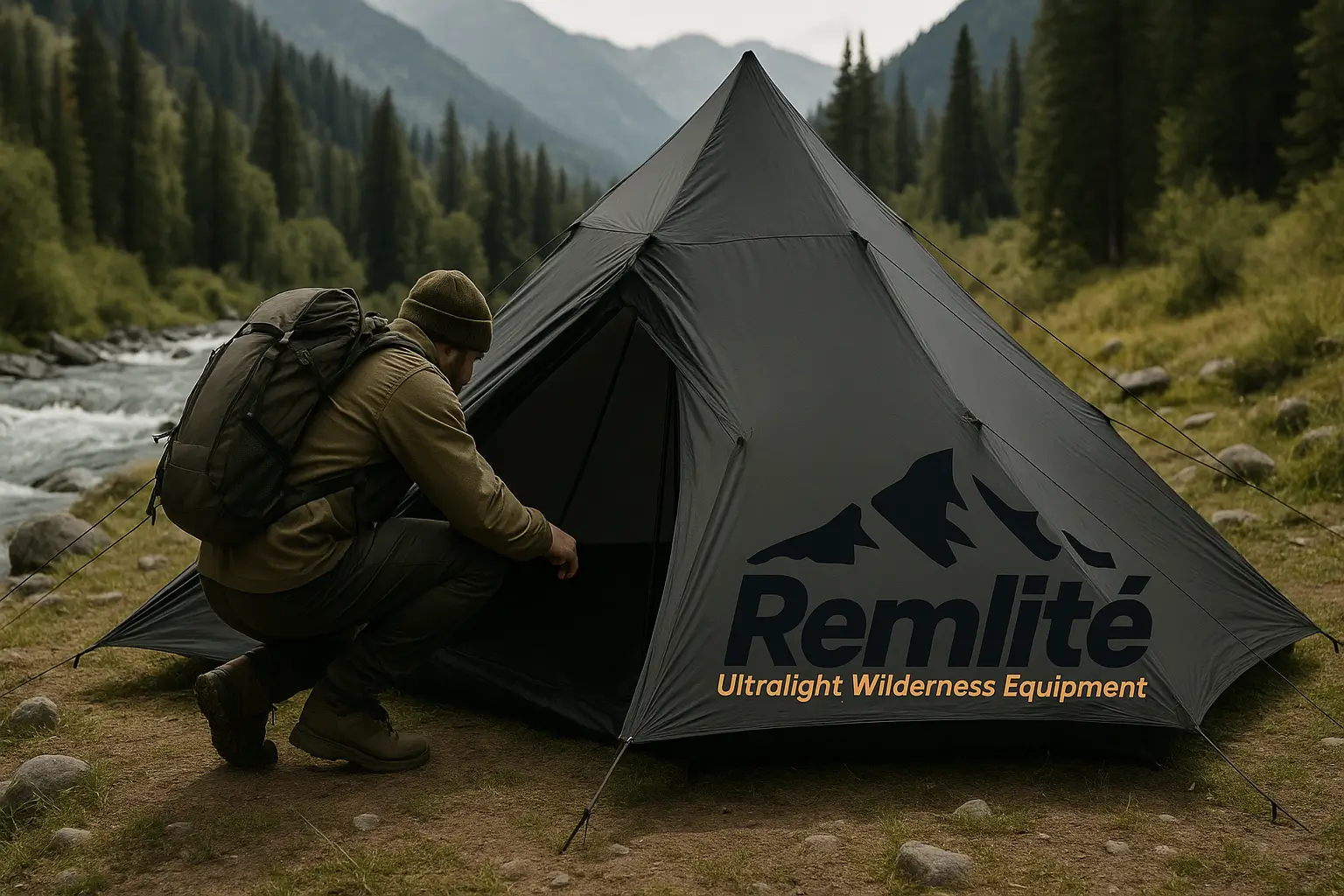
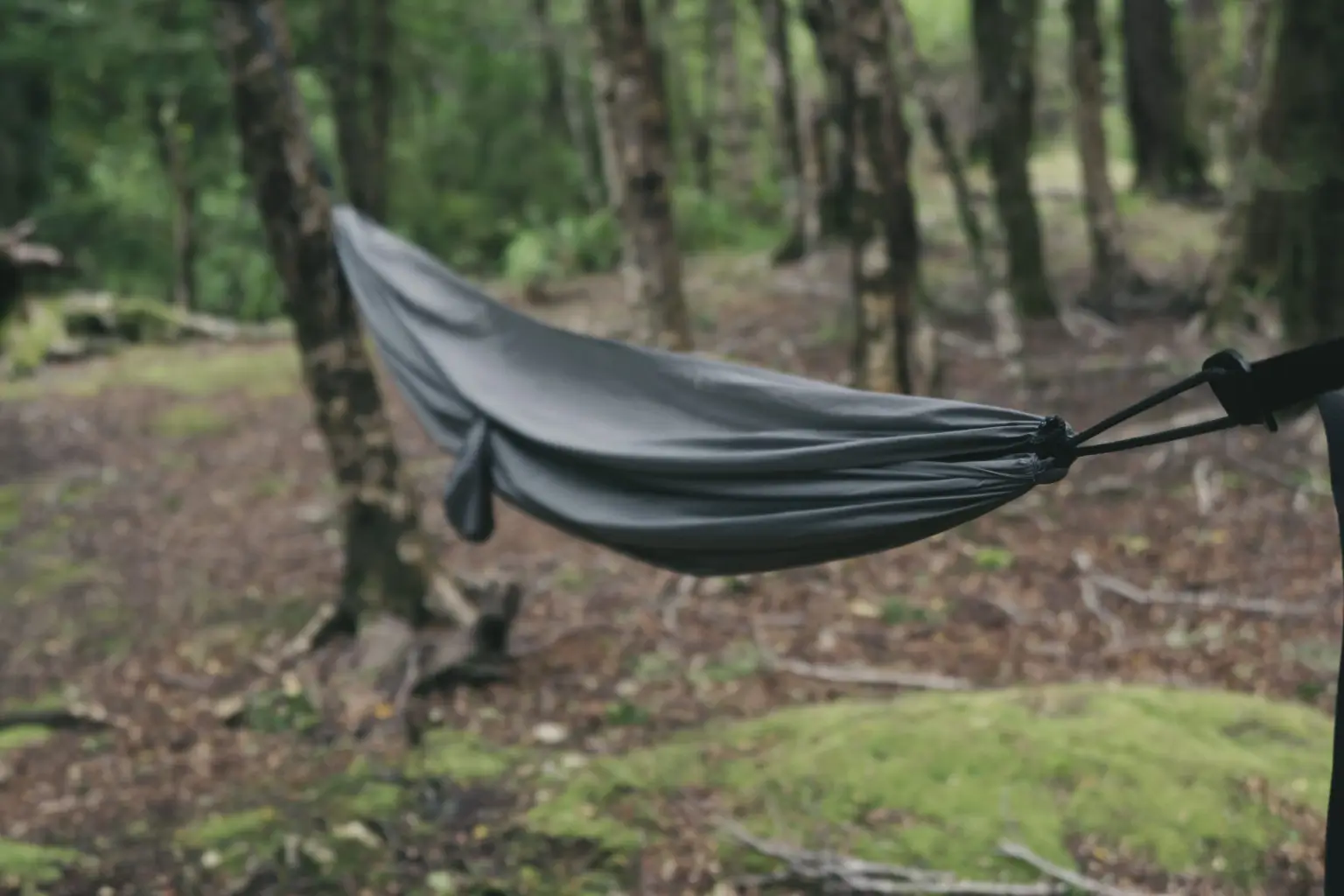
Shelter choices illustrate how far ultralight design has progressed. Single-wall tents now weigh under 500 grams whilst providing storm-worthy protection. Tarps offer even lighter options for experienced users willing to accept less enclosed protection. Hammock systems suit certain terrain types beautifully. The key lies in matching shelter to conditions rather than defaulting to heavy, all-purpose options. Weight savings of 2 kilograms or more become possible through thoughtful shelter selection alone.
Sleep systems present similar opportunities. Down-filled quilts eliminate unnecessary fabric and insulation on your underside, where compression renders traditional sleeping bags less effective anyway. Sleeping mats have evolved dramatically. Inflatable pads now deliver exceptional warmth-to-weight performance using advanced materials and internal structures. A quality pad weighing 350 grams can provide sufficient insulation for three-season use. That’s half the weight of older foam alternatives with better thermal properties.
Clothing choices require careful consideration. Merino wool base layers regulate temperature beautifully across varying conditions whilst resisting odour during extended trips. Lightweight rain gear using waterproof-breathable membranes keeps you dry without the weight penalty of traditional rubberised fabrics. Many trampers are now upgrading to ultralight without replacing everything at once, targeting high-impact swaps first. That approach spreads costs whilst building experience with lighter systems gradually.
Pack selection becomes simpler once base weight drops. Frameless designs work well under 7 kilograms, offering remarkable comfort through careful load distribution and minimalist construction. Internal frames suit slightly heavier loads whilst still saving considerable weight over traditional external frame packs. Proper fitting matters more with ultralight packs. The reduced structure means poor fit causes discomfort quickly. Taking time to adjust straps and test different models pays dividends over long distances.
Cooking systems have shrunk dramatically. Alcohol stoves weigh mere grams and work reliably in most conditions. Canister stoves like compact models provide faster boiling with reasonable weight. Some trampers eliminate cooking entirely, relying on no-cook meals to save both weight and time. Water filtration systems now fit in your palm whilst processing litres per minute. Every category of gear offers lighter alternatives without meaningful performance compromises. For those just beginning their journey, exploring ultralight gear ideas provides practical starting points and realistic expectations.
Testing matters more than specifications. Gear that works beautifully in ideal conditions might fail when rain persists for three days or wind tests every seam. New Zealand’s environment provides brutal honesty about equipment performance. Coastal tracks deliver salt spray and sand. Alpine routes throw freezing temperatures and intense UV at you simultaneously. Bush tramping demands gear that handles moisture and abrasion. Equipment must prove itself across these varied challenges.
Safety considerations shift with lighter packs but don’t disappear. Carrying less weight doesn’t mean abandoning core safety items. First aid supplies, navigation tools, emergency shelter, and adequate food remain non-negotiable. The ultralight approach demands smarter choices rather than reckless elimination. A 50-gram emergency bivy provides genuine protection. A whistle weighs nothing but could save your life. Multi-use items reduce redundancy without creating gaps in your safety net.
Weather preparedness requires particular attention in New Zealand. Conditions change rapidly, especially in mountainous areas. Layer systems become more important when your pack doesn’t include heavy backup options. Understanding your gear’s limits matters enormously. A tarp provides excellent shelter when pitched properly but requires skill and appropriate site selection. Knowing when conditions exceed your equipment’s capabilities keeps you safe. Some trampers explore resources about tackling the myths around ultralight tramping to separate legitimate concerns from unfounded worries.
Food and water strategies often differentiate experienced ultralight trampers from beginners. Dehydrated meals reduce weight substantially whilst providing adequate nutrition. Water sources are generally reliable across New Zealand, allowing smaller carries between refills. Planning resupply points on longer trips minimises the need to carry excessive food weight. A lighter pack means you can afford slightly heavier food items that provide better nutrition and morale. Finding that balance takes experience.
Footwear deserves careful thought. Trail runners have replaced heavy boots for many trampers, offering adequate support with dramatic weight savings. Lighter shoes reduce fatigue because you’re lifting less weight with every step. The accumulated difference over 25 kilometres is substantial. Some terrain still demands boots, particularly when carrying heavier loads or crossing very rough ground. Matching footwear to conditions rather than defaulting to maximum protection often makes sense.
Regional retailers like Remlite have emerged to serve New Zealand’s growing ultralight community. They focus on equipment proven in local conditions rather than simply importing generic overseas offerings. That distinction matters when terrain, weather patterns, and distances differ from Northern Hemisphere norms. Access to quality New Zealand ultralight gear means less guesswork about whether equipment will perform when conditions turn difficult. The ability to source reliable equipment domestically simplifies logistics and supports local expertise.
Community knowledge accelerates learning. Tramping clubs, online forums, and gear reviews from New Zealand users provide region-specific insights that generic advice can’t match. Understanding which gear works on the Heaphy Track versus Fiordland’s wetter conditions helps avoid expensive mistakes. Learning from others’ experiences shortens your own learning curve. The ultralight community tends toward openness about both successes and failures, creating valuable collective knowledge.