
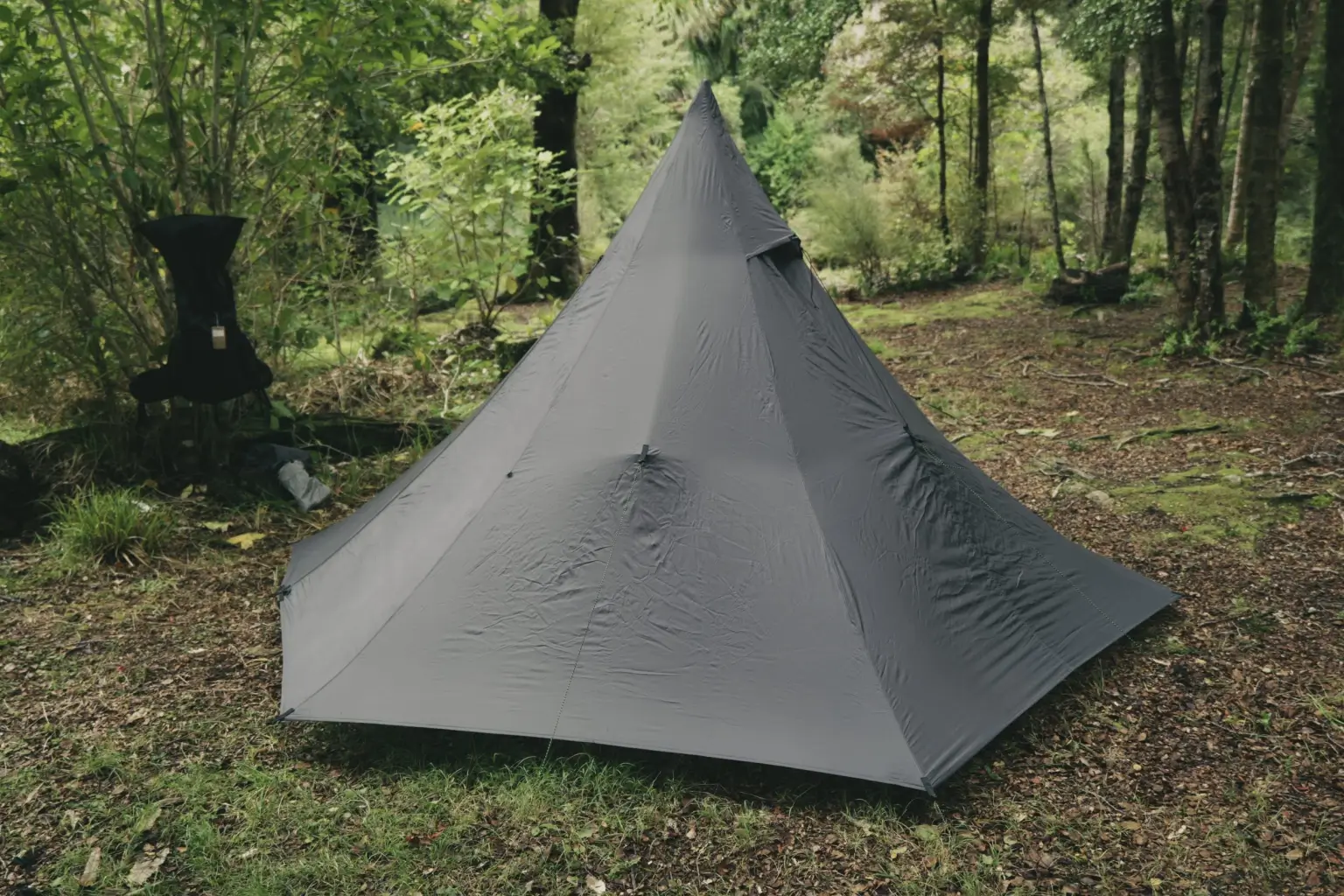
New Zealand’s backcountry rewards those who move efficiently. Covering ground quickly matters when weather windows close unexpectedly or daylight fades faster than anticipated. Traditional hiking setups often exceed 18 kilograms, turning enjoyable tramps into exhausting slogs. Every unnecessary gram compounds over distance, draining energy reserves and limiting range. Modern approaches flip that equation entirely through careful equipment selection and intelligent compromises.
The shift towards lighter loads isn’t about deprivation or risk. It’s about maximising what matters whilst eliminating what doesn’t. Ultralight hiking gear NZ enthusiasts have discovered that thoughtful reduction actually improves safety margins. Lighter packs mean better balance on technical terrain, faster recovery between days, and greater alertness when conditions deteriorate. Energy saved on the approach leaves reserves for dealing with unexpected challenges. That mental and physical buffer proves invaluable when plans change.
Weight reduction demands systematic evaluation of every item. Start by weighing your current setup honestly. Many trampers discover their actual pack weight exceeds estimates by several kilograms once they account for water, food, and fuel. Identifying where weight concentrates reveals the highest-impact opportunities. Shelter, sleep system, and pack itself typically account for over half your base weight. Targeting these categories first delivers meaningful results without requiring you to replace everything simultaneously.
Material science has transformed what’s possible. Modern fabrics like Dyneema Composite Fabric offer tear resistance comparable to heavier materials at a fraction of the weight. Sil-nylon provides excellent weather protection whilst packing down remarkably small. Down insulation delivers unmatched warmth-to-weight ratios when properly protected from moisture. Ultralight hiking gear NZ options now include shelters under 600 grams, sleeping bags below 500 grams, and packs that weigh less than a kilogram. These aren’t fragile compromises but genuinely capable equipment proven across thousands of trail kilometres.
Regional terrain presents specific challenges that generic overseas advice doesn’t address. New Zealand’s tracks cross diverse environments within single trips. You might start in beech forest, traverse alpine passes, and finish along coastal sections. Equipment must handle moisture from persistent rain, intense UV exposure at altitude, and temperature swings between day and night. Gear that excels in one environment but fails in another creates problems quickly.
Shelter choices illustrate these demands perfectly. Single-wall tents reduce weight by eliminating separate rain flies but require careful site selection to manage condensation. That works well in drier regions but becomes frustrating during West Coast downpours. Tarps offer maximum weight savings and versatility but demand experience and appropriate pitching sites. Some trampers find inspiration through resources like the full guide how to pack light for hiking, which breaks down decision-making processes that suit local conditions rather than importing Northern Hemisphere assumptions.
Sleep systems require particular attention in New Zealand. Temperature ratings often assume shelter from wind and dry conditions. Alpine environments rarely provide either. A sleeping bag rated to 5 degrees might prove inadequate at that temperature when wind penetrates your tent or condensation dampens insulation. Building in thermal margins makes sense. Quilts work beautifully for those who sleep still but frustrate restless sleepers who create drafts. Sleeping pads must balance weight against insulation value. Closed-cell foam never fails but sacrifices comfort. Inflatable pads pack smaller and sleep better but introduce puncture risk.
Clothing systems demand layering flexibility. Merino wool base layers regulate temperature beautifully across varying outputs whilst resisting odour during extended trips. That matters when you’re wearing the same shirt for five days straight. Midlayers using synthetic insulation maintain warmth even when damp, unlike down which loses effectiveness once wet. Rain gear needs to balance breathability against waterproof performance. Many hikers have found value in reading about others’ journey into ultralight hiking to understand how personal preferences evolve through experience rather than assumptions.
Pack selection becomes simpler once base weight drops below 7 kilograms. Frameless designs distribute load through careful packing and hip belt tension rather than internal structures. They excel at this weight range, offering remarkable comfort when loaded properly. Above 7 kilograms, minimal internal frames provide better weight transfer without the bulk of traditional external frames. Getting fit right matters more with lighter packs because reduced structure means poor adjustment causes discomfort quickly. Ultralight hiking gear NZ suppliers often provide detailed sizing guidance recognising that proper fit determines whether lightweight equipment performs as intended.
Cooking systems have evolved dramatically. Alcohol stoves weigh under 30 grams and work reliably in most conditions. Canister stoves provide faster boiling with reasonable weight penalties. Some trampers eliminate cooking entirely, relying on no-cook meals to save both weight and time. Water filtration systems now fit in your palm whilst processing litres per minute. Every category offers lighter alternatives without meaningful performance compromises when matched to actual needs. Examining detailed ultralight packing list Hiking NZ examples reveals how experienced trampers balance competing priorities.
Transitioning to lighter loads works best as gradual evolution rather than wholesale replacement. Start with weekend trips using your current setup but identifying specific items that feel excessive. Perhaps your tent provides more space than you need. Maybe your sleeping bag’s temperature rating exceeds what you actually encounter. These observations guide targeted upgrades that deliver immediate benefits whilst building confidence in lighter systems.
Testing matters more than specifications. Gear that performs beautifully in controlled conditions might reveal limitations during your third consecutive day of rain. New Zealand’s environment provides honest feedback about equipment durability. Coastal tracks deliver salt spray and sand that test zips and fabrics. Bush tramping demands gear that handles constant moisture and abrasion. Alpine routes throw temperature extremes and intense UV simultaneously. Equipment must prove itself across varied challenges before you trust it completely.
Safety considerations evolve with lighter packs but never disappear. Carrying less weight doesn’t mean abandoning core safety items. First aid supplies, navigation tools, emergency shelter, and adequate food remain non-negotiable. The ultralight approach demands smarter choices rather than reckless elimination. A 50-gram emergency bivy provides genuine protection. Multi-use items reduce redundancy without creating gaps in your safety net. Understanding your gear’s limits and environmental conditions keeps you safe regardless of pack weight.
Regional specialists like Remlite focus on equipment proven in New Zealand conditions rather than simply importing popular overseas products. Their curation emphasises hand-crafted gear from specialist makers who prioritise build quality over mass production. That distinction matters when seam integrity determines whether your shelter survives a Fiordland storm. Access to locally-tested ultralight hiking gear NZ options means less guesswork about whether equipment will perform when conditions turn difficult. They stock brands like Liteway, whose European engineering produces durable, compact items tested across demanding environments. Leleka hammock systems offer unique shelter solutions for appropriate terrain. SKRE clothing provides technical performance for hunters and alpine users requiring stealth and thermal management.
Footwear deserves careful consideration in the weight equation. Trail runners have replaced heavy boots for many trampers, offering adequate support with dramatic weight savings. Lighter shoes reduce fatigue because you’re lifting less with every step. The accumulated difference over 25 kilometres is substantial. Some terrain still demands boots, particularly when carrying heavier loads or crossing very rough ground. Matching footwear to conditions rather than defaulting to maximum protection often makes more sense.
Food strategies differentiate experienced ultralight trampers from beginners. Dehydrated meals reduce weight substantially whilst providing adequate nutrition. Water sources are generally reliable across New Zealand, allowing smaller carries between refills. Planning resupply points on longer trips minimises the need to carry excessive food weight. A lighter pack means you can afford slightly heavier food items that provide better nutrition and morale. Finding that balance takes experience and honest assessment of your actual consumption patterns.
Community knowledge accelerates learning curves significantly. Tramping clubs, online forums, and gear reviews from New Zealand users provide region-specific insights that generic advice can’t match. Understanding which gear works on the Heaphy Track versus the Tararuas helps avoid expensive mistakes. Learning from others’ experiences shortens your own trial-and-error phase. The ultralight community tends toward openness about both successes and failures, creating collective knowledge that benefits everyone. That shared wisdom proves more valuable than any single piece of equipment.
Ultra light gear overview – ultra light gear overview
Day hikes gear list – day hikes gear list
Balancing weight and warmth on your hikes – balancing weight and warmth on your hikes
Walking and tramping things to do New Zealand – walking and tramping things to do New Zealand
Regional trails hikes and bike trails – regional trails hikes and bike trails